All posts
Meituan’s Elephant Supermarket: Inside China’s New Instant Retail Model
On December 19, Elephant Supermarket officially opened at Hualian Shopping Center in Wanliu, Haidian District,Beijing. As Meituan’s first large-format offline supermarket, the store attracted huge crowds during its opening days, even requiring visitor flow control.
Evolved from Meituan Maicai, what makesElephant Supermarket different? Why did Meituan choose this timing to gooffline? And how does it compare with other supermarket formats in the market? CHINASHOP Retail Field Visit explores this new store to offer industryprofessionals fresh insights.

Meituan’s move into offline retail is not asudden decision. As early as 2018, it experimented with “Elephant Fresh,” butfailed due to immature supply chains and operational capabilities. Thiscomeback reflects deeper strategic thinking.
First, competition in instant retail hasintensified. Both online platforms and offline retailers now treat instantdelivery as a standard service. The “store + dark store” omnichannel model isbecoming an industry norm.
Second, Meituan’s internal strategic focushas shifted. In 2025, Meituan reorganized its business and concentratedresources on Elephant Supermarket. CEO Wang Xing stated in earnings calls thatbesides food delivery, Elephant Supermarket is Meituan’s most frequently usedservice. The company plans to expand Elephant Supermarket nationwide acrossTier 1 and Tier 2 cities.
Industry experts note: “Without enteringoffline retail, Meituan risks losing momentum. Dark stores must accelerate, butphysical stores must also demonstrate quality.”
After years of operating dark stores, Elephant Supermarket now runs over 1,000 warehouses across nearly 30 cities,generating nearly RMB 30 billion in GMV in 2024. With strong supply chains andproduct capabilities, the timing is ripe for offline expansion.
The 4,500 sqm Wanliu store combines refineddesign with bustling market vibes. Green-themed decor, fresh bakery and flowerzones welcome shoppers. Inside, fresh produce, meat and seafood counters, andopen kitchens create an immersive shopping experience.
Fresh produce is mainly pre-packaged, withdigital screens displaying pesticide inspection reports.

Bakery: Instead of frozen dough, everythingis handmade onsite. Transparent kitchens showcase each step of production,emphasizing freshness and craftsmanship.

Meat & Seafood: Customers can requestcutting, slicing, mincing and even on-the-spot cooking. A steak window servesfreshly grilled beef in 4–5 minutes.


Ready-to-eat Zone: Three hot food islandsand a light-meal area form a bustling food street, featuring grilled squid,fried chicken, roasted chestnuts and more. A RMB 9.9 grilled squid became abestseller with long queues.

Brand Partnerships: The store introduceswell-known brands such as Yuanji Dumplings, Zhou Black Duck, Ziyan Chicken andTianfuhao, using a “store-in-store” model to boost variety and brand appeal.
Elephant Supermarket combines premiumproducts with ultra-competitive pricing.

Examples:
• 30 large eggs for RMB 14.9
• Strawberry cake for RMB 49.9
• Daily fresh salmon and beef specials
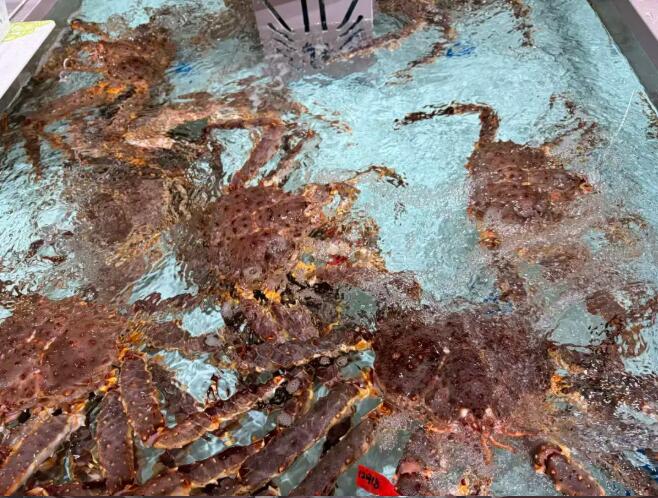
The store also features a pet supplies zoneand premium

Seafood like Boston lobster (RMB 99) and king crab (RMB 699).Imported wines and spirits further elevate the lifestyle image.
Private labels are the core profit engine.Categories include beverages, fresh food, daily essentials and ready meals.

Brand series include:
• Elephant – daily essentials
• Elephant Chef – ready-to-cook meals
• Elephant Value – budget-friendly basics
• Elephant Black Gold – premium products
Private labels improve margins, strengthendifferentiation and build long-term loyalty.
Elephant Supermarket is not Meituan’s onlyoffline format. In August, Meituan launched “Happy Monkey” discount storestargeting price-sensitive communities.
Elephant Supermarket focuses onmiddle-to-high income urban families, emphasizing quality and experience.
Happy Monkey targets mass markets withlimited SKUs and hard discounts.
Together with Meituan’s platform business,they form a multi-format ecosystem.
“1” refers to flagship offline stores –brand centers, experience hubs and product labs.
“N” refers to citywide dark stores ensuring 30-minute delivery.
CHINASHOP team tested deliveries across Beijing and consistently received orders within 30 minutes, some in just 20minutes.
The Wanliu store’s success proves the modelfits local demand. However, long-term success depends on daily operations: layout,service quality, loss control and partner management.
Competition remains fierce. Players likeHema have strong innovation capabilities. Elephant Supermarket must prove itsprivate label innovation over time.
Whether Meituan can build a sustainableprofit model combining offline stores and dark warehouses remains to be seen.But its move marks a critical case of internet platforms reshaping offlineretail.